Vistaar WebX Brand Development Agency

Blog

Your blog category

new year branding strategy for businesses

How to Improve Your Brand Identity in 2026: Strategies That Actually Work

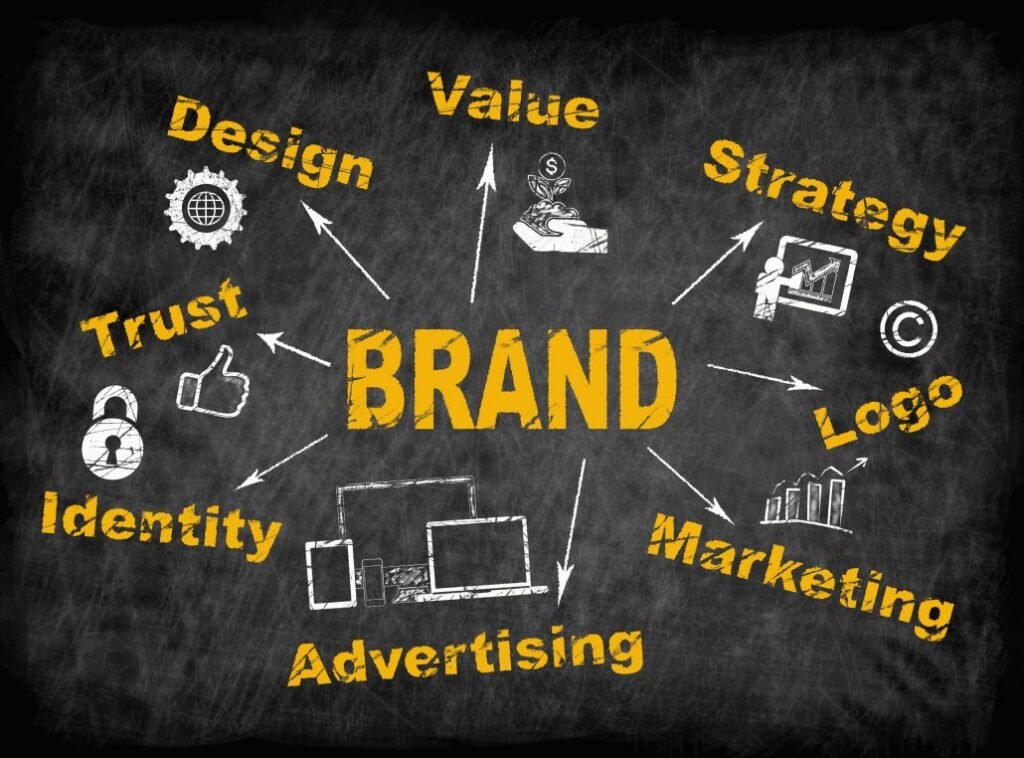
Brand identity didn’t suddenly change overnight. But the way people react to brands has. Getting someone’s attention isn’t particularly difficult anymore. Holding on to it is. Most people scroll quickly, skim without real focus, and leave the moment something doesn’t feel relevant to them. Your brand gets a tiny window to make sense – and an even smaller one to feel worth staying with. More often than not, people don’t consciously decide to move on. They just do. That’s where many brands quietly lose ground. Brand Identity Is No Longer Just Visual Design still matters – that hasn’t changed. But design by itself doesn’t carry a brand the way it once did. What people respond to now is the experience around the visuals. The words you choose. The way you explain things. How clear or confusing your message feels when someone lands on your page for the first time. A brand can look polished and still feel distant. Most impressions are formed before a logo really registers – through language, tone, and how consistently your brand shows up over time. When that experience feels unclear, attention fades without much resistance. Positioning Comes Before Promotion A lot of brands try to fix uncertainty with visibility. More posts. More ads. Louder messaging. But when people can’t immediately understand who you’re meant for or why you exist, extra promotion rarely helps. It usually adds to the noise. Strong brand identity often begins with a slightly uncomfortable decision: choosing one clear direction and letting go of everything else that doesn’t support it. When positioning is clear, your messaging relaxes. When it isn’t, even good ideas start sounding strained. Consistency Is What Builds Trust Over Time Trust doesn’t form in a single moment. It builds slowly, through repeated interactions that feel familiar. If your website explains things one way, your social media speaks in a different tone, and your ads tell another version of the story, people notice the mismatch – even if they can’t articulate it. Consistency isn’t about repeating the same words everywhere. It’s about sounding like the same brand, wherever someone meets you. That sense of familiarity is what makes a brand easier to remember – and easier to trust. Let Your Content Carry Meaning Content created just to “stay active” rarely adds much to a brand. People tend to respond better to content that feels considered – content that explains something clearly, shares perspective, or answers a real question. Over time, blogs, posts, and videos start to reflect how your brand thinks, not just what it wants to sell. Gradually, this builds association. Your brand becomes linked with clarity, reliability, or insight. That’s usually the point where content stops feeling like marketing and starts doing the quieter work of brand building. Human Brands Win Attention People have become noticeably better at sensing when messaging feels rehearsed. Perfect phrasing and big promises don’t carry the same weight they once did. In many cases, they create distance instead of trust. Brands that sound human – measured, honest, and grounded – feel easier to engage with. This isn’t about being casual or informal. It’s about being intentional rather than performative. Brands that communicate like real people tend to leave a stronger, longer-lasting impression. Brand Identity Is Ongoing Work There isn’t a final version of a brand identity. Markets shift. Platforms change. Expectations move. The brands that tend to hold attention over time are the ones willing to revisit their messaging, notice what’s no longer landing, and make adjustments without losing their sense of direction. Refinement isn’t a weakness – it’s usually a sign that a brand is paying attention. A Thought to End On Strong branding isn’t about being everywhere or saying everything. It’s about being clear enough to recognise, consistent enough to trust, and human enough to feel believable. When those elements come together, brand identity stops being something you explain and starts being something people sense. At Vistaar WebX, we’ve seen how brands grow differently when identity is treated as a long-term foundation rather than a quick fix. In crowded digital spaces, that kind of clarity doesn’t shout.  It simply stays.

How to Improve Your Brand Identity in 2026: Strategies That Actually Work Read More »

Diwali handloom heritage

Diwali in Every Drape: Celebrating the Festival with Handlooms & Heritage

There’s something about Diwali that feels different every year — the air, the light, the way people smile a little more easily.Homes glow, sweets arrive unannounced, and in between it all, we pull out our best — the silks, the zari, the sarees passed down or bought fresh with that quiet thrill of celebration. But if you look closer, these clothes aren’t just outfits.They’re memories. They’re heritage, stitched and spun into something you can actually touch. The Saree That Speaks Without Words Every handloom drape has its own language.A Banarasi whispers royalty, a Chanderi hums of soft grace, a Kanjivaram carries a festival within its folds.They’re not just fabrics — they’re emotions. When you wear one during Diwali, you don’t just “dress up.”You carry the stories of the hands that wove it — the rhythm of looms, the patience of dyeing, the devotion in every thread. In a world of fast fashion, that feels sacred. The Hands That Weave Our Light Think about this — long before your new outfit reaches your wardrobe, someone somewhere has been working for weeks, maybe months, on that very piece.A weaver sitting under a single bulb, guiding every strand with care.A dyer mixing the perfect shade of crimson.A family that’s been doing this for generations, keeping their art alive despite changing times. When you choose handloom, you’re lighting up more than your own home. You’re lighting up theirs. A Heritage That’s Still Breathing Heritage isn’t stuck in the past — it’s something we keep alive every time we choose thoughtfully.Handlooms aren’t about nostalgia; they’re about continuity.They evolve, just like we do. That’s why modern stylists love pairing raw silks with sneakers, or Banarasi dupattas with blazers. It’s a quiet rebellion — saying, “I can honor where I come from without being stuck in it.” And honestly, that’s what Diwali is all about — light meeting new light, tradition meeting now. Beyond Glitter, Toward Grace Diwali fashion doesn’t have to shout to shine.It’s the gentle gleam of real zari, the way natural silk catches candlelight, the soft rustle that says celebration without a word. When everything online feels like noise, authenticity stands out.That’s true for fashion — and for branding too.At Vistaar WebX, we see storytelling the same way artisans see weaving: layer by layer, slow, intentional, and full of heart. A Little Reminder This Season As you get ready this Diwali — choosing your saree, tying that last gift ribbon, or lighting the first diya — take a moment.Remember that the most beautiful things we own were made by people, not machines.By patience, not speed.By tradition, not trend. Because every drape, every flicker of light, every fold of fabric — is a reminder of how connected we all are. Team Vistaar WebX — celebrating the art of storytelling, one thread at a time.

Diwali in Every Drape: Celebrating the Festival with Handlooms & Heritage Read More »

Diwali brand marketing online

The Diwali Effect: Why Festivals Are the Best Time to Build Your Brand Online

Every year around Diwali, something shifts online.The feed turns golden — glowing lights, new outfits, family selfies, and that familiar mix of nostalgia and excitement. People don’t just shop; they slow down, scroll longer, and connect more deeply. That’s what we call The Diwali Effect.It’s when audiences are wide open — emotionally, mentally, and digitally — making it the best time to tell your brand’s story in a way that actually sticks. Let’s break down why festivals like Diwali are pure magic for brands who know how to show up right. 1. People Feel More, and Brands That Feel Win Festivals make people sentimental.They remember home, friends, food, and all the tiny things that make life beautiful. If your brand can tap into that — not with a sale, but with a feeling — you’ll connect on a level no ad spend can buy.This is when storytelling matters more than slogans.Because in festive season, emotion travels faster than algorithms. 2. Everyone’s Online, All the Time From searching for Diwali outfit ideas to comparing gifting options, people are actively exploring.They’re not just scrolling — they’re looking. That’s your moment to show up.A good festive campaign doesn’t scream for attention; it quietly becomes part of someone’s festive planning.Whether it’s a beautiful video, a thoughtful post, or an offer that feels timely, your digital presence has never mattered more than it does now. 3. Festive Visuals That Glow on Every Screen Nothing draws eyes like festive color.Golds, oranges, warm light, soft bokeh — the kind of imagery that makes you feel Diwali before you even read the caption. At Vistaar WebX, we design campaigns that blend that festive warmth with brand identity.The goal isn’t to look like every other Diwali post; it’s to glow in your own way — refined, rooted, and unmistakably you. 4. Festivals Bring Discovery — and Loyalty People are more open to discovering new brands during festivals.They’re in the mindset to explore, try, and even gift something different. If your campaign feels genuine — not overly polished or pushy — they remember you.And when that memory is tied to a happy festival, it becomes long-term brand loyalty, not just a one-time purchase. 5. Don’t Just Sell — Celebrate The best brands don’t use Diwali just to sell; they use it to celebrate.They tell stories of light, gratitude, and community.Sometimes it’s a small film, sometimes it’s a heartfelt message, sometimes it’s just a thoughtful visual — but it always means something. That’s where we love to step in.At Vistaar WebX, we build festive campaigns that feel human — where creativity, culture, and connection come together to make brands shine brighter than the fireworks. The Heart of It All Diwali isn’t just another marketing season.It’s a reminder of what people truly value — joy, belonging, and a little bit of sparkle. When your brand shows up with warmth and intention, it becomes part of that joy.That’s the real Diwali effect. ✨ Team Vistaar WebX — lighting up stories that connect.

The Diwali Effect: Why Festivals Are the Best Time to Build Your Brand Online Read More »

Diwali digital marketing campaigns

From Diyas to Digital: Crafting Campaigns That Shine This Festive Season

Every Diwali, brands rush to light up timelines the way homes light up balconies. But the truth is, most campaigns flicker out as quickly as the diyas they’re inspired by.What makes a few of them truly shine isn’t just budget or celebrity presence — it’s emotion, timing, and the right mix of storytelling and strategy. At Vistaar WebX, we’ve seen enough festive seasons to know one thing for sure: the best Diwali campaigns don’t sell, they celebrate. Here’s how we help brands do just that. 1. Start With the Spark — The Story Before the color palette or hashtag, comes the idea.The question we ask every client is simple: What emotion do you want to light up?For some, it’s nostalgia — the sound of crackers, the first bite of gujiya, the phone call to a faraway sibling.For others, it’s modern celebration — community events, gift boxes, or that perfect Instagram reel that captures festive chaos and calm in one frame. Once that story is clear, every design, caption, and ad that follows glows from the same flame. 2. The Visual Glow-Up A campaign’s scroll-stopping power lives in its visuals.From handcrafted typography that echoes rangoli curves to photo shoots that blend tradition and minimalism — the goal is to create warmth on screen. At Vistaar, we often build moodboards around colors of the season — marigold, vermilion, gold foil — and pair them with modern layouts so brands look festive without going filmy.Because too much glitter blinds, but the right glow captivates. 3. Turning Clicks Into Candles — The Digital Push Diwali isn’t just an offline celebration anymore; it’s a season of searches, carts, and shares.Whether it’s a small business launching festive hampers or a lifestyle brand unveiling limited-edition products, digital ads are the new diyas lighting up visibility. Our media team tracks where attention naturally flows — Reels, influencer shoutouts, community giveaways — and places the brand right there.Smart targeting, authentic creatives, and campaign sequencing ensure the message doesn’t just reach people, it stays with them. 4. Community Is the New Currency People remember how brands make them feel, not what they post.That’s why this season, community-driven storytelling wins.Interactive contests, user-generated stories, and small gestures — like highlighting a customer’s Diwali moment — make a brand part of people’s celebrations instead of just another sponsored post in their feed. We’ve seen local businesses grow followers and trust simply by spotlighting their own customers’ joy.That’s the power of human connection wrapped in digital craft. 5. Measure the Light, Not Just the Likes Campaign success isn’t only about impressions or CTRs — it’s about recall, repeat engagement, and long-term brand warmth.Our analytics dashboards do the number crunching, but we always return to one question: Did it make people smile?Because in the end, Diwali campaigns are meant to spread light — not noise. A Season of Meaningful Marketing From diyas to digital, from handmade creatives to high-performing campaigns, this season is your chance to make your brand shine for the right reasons.At Vistaar WebX, we believe festive marketing should feel human, hopeful, and handcrafted — just like the festival itself. Let’s light up your brand’s story this Diwali.

From Diyas to Digital: Crafting Campaigns That Shine This Festive Season Read More »

Local SEO secrets for small businesses

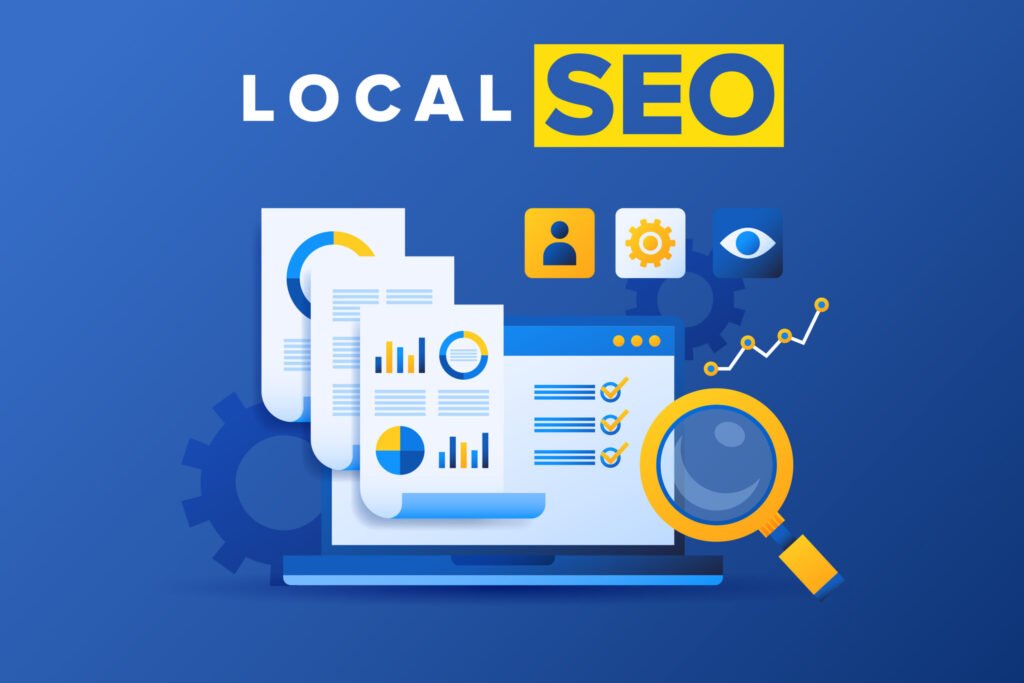
Local SEO Secrets: How Small Businesses Can Beat Big Competitors

Running a small business isn’t easy. Some days it feels like no matter how hard you work, the bigger brands are always one step ahead — flashing their ads everywhere, backed by endless budgets and entire teams dedicated to marketing. But here’s the thing most small business owners don’t realize: when it comes to local SEO, you actually have an advantage. Unlike those big brands that try to sell to everyone, you only need to reach the people right around you — your neighbour , your city, your community. And that’s where you can shine. Your Google Profile Is Your Storefront Window Imagine walking down a busy street. Some shops look alive, with bright signs, clean displays, and welcoming faces. Others? Dusty, dark, and kind of forgotten. Which one would you walk into? That’s exactly how your Google Business Profile works online. If it’s updated, with photos, working hours, and positive reviews, people trust you. They click. They call. They visit. And the best part? Setting it up costs you nothing but a little time. Reviews: The New “Word of Mouth” Remember when neighbors used to ask, “Where did you buy this?” and you proudly shared the name of the shop? Today, people don’t always ask their friends — they ask Google. That’s why reviews are priceless. A few honest, heartfelt reviews from your happy customers can do more than any expensive ad. Don’t be shy — ask for them. People usually love supporting small businesses, especially when they feel valued. Winning with Local Keywords Here’s another secret: you don’t need to rank for “best bakery in India.” You just need to rank for “best bakery in Bhopal” or even “fresh cakes near TT Nagar.” Big companies will never go that specific — but you can. Sprinkle those little location-based phrases into your website, blogs, or even social posts. That’s how you appear right when someone nearby is looking for you. Small Steps That Count Getting listed on local directories like Justdial or Sulekha may feel old-fashioned, but it still works. Think of it like leaving your business card everywhere your customers might look. Each small step builds your online presence quietly but powerfully. Be More Than a Business The big brands often feel… well, faceless. You don’t. You’re real. You’re local. You’re part of the community. Use that. Share behind-the-scenes moments, celebrate local festivals, talk about neighborhood events, or even post a funny story from your day at the shop. That’s how people connect with you — not just as a business, but as their business. Don’t Forget Mobile One last thing: most people searching for a local business are on their phones, probably in a hurry. If your site takes forever to load, they’re gone. A clean, quick, mobile-friendly website is like keeping your shop door wide open. Final Word The truth is, you don’t need to outspend the big players. You just need to outsmart them locally. Be visible where it matters most, speak the language of your community, and show the human side of your business. Because when people feel that connection, they’ll choose you over a big, faceless competitor — every single time.

Local SEO Secrets: How Small Businesses Can Beat Big Competitors Read More »

Your website is your salesperson

Your Website is Your Salesperson – Is it Closing Deals or Losing Them?

I’ll be honest with you—I didn’t always think much about websites. Years ago, I built one for my business, thought it looked fine, and moved on. Big mistake. It was losing me sales left and right, and I had no clue. Here’s the thing: your website isn’t just a bunch of pages. It’s your salesperson. And like any salesperson, it can either crush it… or blow the deal before you even know a customer showed up. First Impressions, Ouch I still remember clicking on a website that took forever to load. By the time the logo showed up, I’d already closed the tab. Maybe you’ve done the same? We all have. That’s exactly how people treat your site. If it’s slow, outdated, or jumbled, they’re gone. No warning, no second chances. It’s basically like walking into a store that smells musty and has the lights half off. You don’t stick around. Neither do your visitors. Don’t Make Them Work One thing I’ve learned: people online are lazy. (I am too, no shame in admitting it.) If your website feels like a tangle, you’re in trouble. Menus should make sense. The search bar should actually work. And please—stop writing product descriptions like instruction manuals. Speak like a human. A quick test? Hand your site to a friend and ask them to find something in 30 seconds. If they can’t, it’s costing you money. Trust Is Everything Here’s a funny one. I once tried to order from a site that had zero reviews, no return policy, and blurry stock photos. Guess what? I clicked away. Your customers do the same. Real reviews. Real photos. Clear info about shipping and returns. Even just showing your face or your business address helps. Trust doesn’t happen by accident. You have to earn it. The Awkward Silence Ever had a salesperson talk about a product and then… just stop? No “Would you like to buy?” No “Should I wrap it up?” Just silence. That’s what a lot of websites do. They talk, explain, show products—and then forget the call-to-action. Crazy, right? Make it obvious. “Buy Now.” “Get a Quote.” “Book a Call.” Whatever fits. Not intrusive, just clear. Spotting the Leaks Here’s where it stings: your website doesn’t tell you when it screws up. It just quietly loses people. Analytics can show you. Customers ditching carts? Checkout’s too long. Leaving the pricing page? It’s confusing. Ignoring the contact form? You’re asking for way too much. Every one of those moments is a lost sale. Fixing just one leak can mean big gains. Final Thought Your website is working 24/7. No coffee breaks, no holidays. But if it’s not built right, it’s not selling either. So here’s the million-dollar question: if your website applied for a job tomorrow, would you hire it—or fire it on the spot?

Your Website is Your Salesperson – Is it Closing Deals or Losing Them? Read More »

Pixels with Purpose

Pixels with Purpose – Designing Visuals That Speak Louder Than Words

A design without purpose is just decoration. In today’s attention-hungry digital world, visuals communicate much better and are not just about looking good. You shape perceptions when you are a designer not sketching pixels on a blank canvas. You narrate tales, and you form bonds. Welcome to the art (and challenge) of purpose-driven design. Why Pixels Need Purpose Let’s face it—people scroll fast. Your audience gives you 3–5 seconds before deciding whether to stay or swipe away. Words take time, but visuals hit instantly. That’s why a purposeful design can do what paragraphs often can’t—deliver a message straight to the heart. Fact check: Studies say the brain handles 90% of facts by sight, and images stay in memory 65% more than text. Visuals speaking much louder than just words have all of that power. The Hook: Design Is Not Just Art—It’s Strategy Design isn’t about “making things pretty.” It’s about solving problems. A pixel-perfect design must balance creativity with strategy: Branding that breathes personality – From logos to social posts, visuals should echo the brand’s voice. User experience that feels invisible – Great design guides users without them even realizing it. Emotion that builds connection – Every color, font, and layout choice affects how someone feels. Designers aren’t just artists. We are translators of emotions, values, and visions through the use of pixels. The Designer’s Dilemma: The Struggles No One Talks About Behind every stunning graphic is a designer wrestling with realities: Clients who say “make it pop” without context. (Translation: You’re on your own to decode that mystery brief.) Endless revisions. That “one last change” rarely means one last change. Balancing trends with timelessness. Should you follow the hot gradient trend or design something that lasts five years? Time vs. creativity. Deadlines are tight, inspiration is not always on-demand. The battle of pixels vs. words. Sometimes, copy doesn’t align with visuals—and you’re expected to fix both. Designing visuals includes research, psychology, storytelling, with empathy stitched inside a single frame. It is more than simply clicking in Figma or Photoshop. The Science Behind Purposeful Pixels A purposeful design isn’t born by accident—it’s built on psychology and human behavior: Color psychology: Red provides excitement, blue provides calmness, green provides reassurance. Color sets the tone before words, so choose wisely. Typography impact: Fonts whisper or scream. Serif = trust & tradition. Sans serif = modern & clean. Visual hierarchy: The human eye follows patterns. A good design directs attention exactly where it should. Minimalism vs. overload: Empty space isn’t empty—it’s breathing room. Clutter kills clarity. Every pixel carries weight. Misplace one, and you change the entire conversation. From Idea to Impact – The Designer’s Checklist If you want your visuals to speak louder than words, here’s a checklist to guide your design journey: Ask “Why?” before “How?” – What’s the purpose? Awareness, sales, engagement, emotion? The “why” defines the design. Know your audience. Designing for Gen Z is not the same as for corporate professionals. Context changes everything. Keep it simple, but significant. Don’t over-design. A single bold element is more memorable than ten scattered ones. Consistency is silent power. Align colors, fonts, tone across platforms—branding becomes effortless recognition. Design with adaptability. What looks good on Instagram should also work on a billboard. Pixels That Changed the World (Quick Examples) Nike’s swoosh: A single curve that screams motion. Apple’s minimal ads: Clean space, strong product focus, emotional pull. UNICEF campaigns: Stark imagery that moves people to act faster than words. These designs didn’t just exist. They persuaded, provoked, and performed. The Hard Truth: Design Is Invisible When Done Right Good design doesn’t scream, “Look at me!” It whispers, “You understand this effortlessly.”The audience rarely notices great design—they only notice when it’s missing or poorly done. Design is the silent ambassador of every brand. SEO Insights for Designers (Yes, You Need Them!) Designers often shy away from SEO, but here’s the truth: visuals need visibility. To ensure your designs don’t just exist but also reach the right audience: Use alt-text on images – It boosts search visibility and accessibility. Incorporate keywords naturally in design blogs and case studies. Example: graphic design trends, purpose-driven design, visual storytelling, branding design, creative strategy, user experience design. Optimize image size – A slow site kills engagement. Pro tip: A brilliant design unseen is just a file on your desktop. Visibility makes it valuable. Closing Note – Designing for Impact, Not Just Aesthetics At the end of the day, your role as a designer isn’t just to create something “beautiful.” It’s to create something meaningful. Pixels with purpose have the power to shape opinions, influence decisions, and spark movements. Remember: Anyone can design visuals, but not everyone can design impact. So next time you open that Figma file or Illustrator board, ask yourself:“Am I decorating, or am I communicating?” Because the world doesn’t need more pretty pictures—it needs visuals that speak louder than words.

Pixels with Purpose – Designing Visuals That Speak Louder Than Words Read More »

Psychology of Clicks

The Psychology of Clicks – Why People Click and How to Make Them Click on You

Ever wondered why some buttons just beg to be clicked, while others are ignored like wallpaper? That’s not luck — that’s psychology. Clicks are not just technical actions; they’re micro-decisions powered by human emotions, curiosity, and trust. And as designers, our job is to understand what makes people tick… and click. 1. Curiosity is the First Trigger Humans are wired to seek answers. When we see something unfinished, mysterious, or intriguing, our brain nudges us: “Find out more.” Example: “You won’t believe what happened when…” → you want closure. In UI, a button labeled “See How It Works” feels more tempting than just “Learn More.” Lesson: Frame your CTAs like an open loop — spark curiosity that only a click can close. 2. Emotion Beats Logic People don’t click because they need to. They click because they feel like it. Fear of missing out (“Last 2 seats left!”) Desire (“Get your free gift now”) Belonging (“Join 10,000 designers already using this”) Lesson: Anchor your design and copy to emotions. A cold, generic button rarely gets hot results. 3. Clarity Creates Confidence Ever hovered over a sketchy button that didn’t explain what happens next? That’s click anxiety. People only click when they know: What they’ll get. Where they’ll go. That it’s safe. Lesson: Be brutally clear. Instead of “Submit,” say “Get My Free Guide.” Confidence kills hesitation. 4. Visual Hierarchy Matters Our eyes follow patterns. A bright, well-placed button naturally pulls attention. But if everything screams, nothing speaks. Contrast makes your CTA stand out. White space gives it breathing room. Placement at decision points ensures timing. Lesson: Make your button the star, not part of the crowd. 5. Tiny Nudges, Big Impact Sometimes, clicks happen because of small details: Adding a tiny arrow → “Start Free Trial →” feels like forward motion. A countdown timer → urgency. Micro-animations → make buttons feel alive. Lesson: Use micro-interactions to make the click feel rewarding even before it happens. Final Word Clicks don’t happen by chance. They’re the result of psychology translated into pixels. When curiosity, clarity, and emotion align with smart design, people can’t resist pressing that button. As a UI/UX designer, I don’t just design buttons — I design decisions. And every decision starts with one simple action: a click.

The Psychology of Clicks – Why People Click and How to Make Them Click on You Read More »

Hire Creative Agency Questions

5 Must-Ask Questions Before You Hire a Creative or Digital Agency

Picking a bad company can make you waste time, money, and stall your growth. But smart questions can save you from wasting all those things. Many agencies are everywhere—some creative and some digital. A big name isn’t important; what matters is finding the best partner for your business. Here are some questions you always need to ask before signing any deal. 1. What’s Your Experience in My Industry? Ask them to explain their past work. Do they have experience in your industry? Which companies have they worked with before? The more they know your industry, the faster they’ll understand your audience, trends, and challenges. Industry experience helps them identify what works quickly and adapt strategies to deliver better results. 2. Can You Share Past Work and Outcomes? Ask for examples of past projects and the problems they solved. What outcomes did they achieve—such as higher engagement, increased leads, or revenue growth? Don’t just trust promises—look for real results and proof of success. 3. How Do You Think Up Plans and Ideas? Some agencies dive right in, while others plan carefully before execution. A great agency balances creativity with strategy—mixing big ideas with clear plans. Their creativity should directly support your business goals. 4. How Do You Measure Success? Success can be measured in many ways, but in business, it’s about clear Key Performance Indicators (KPIs). Ask if they measure reach, engagement, conversions, or ROI. Also, check how often they’ll share reports and updates so you stay informed. 5. How Will We Communicate and Work Together? Good communication is key to a successful partnership. Ask who your main point of contact will be, how often you’ll have check-ins, and what tools or platforms will be used for communication. Clear collaboration ensures smooth progress and fewer misunderstandings. Final Thought An agency is more than just a service provider—they become your teammate. By asking these five questions, you avoid bad choices and find partners who will help your brand grow with purpose.

5 Must-Ask Questions Before You Hire a Creative or Digital Agency Read More »

why your business needs a website

Your Business is Invisible Without a Website — Here’s Why

Imagine this: someone hears about your business. They’re curious. What’s the first thing they do? They Google you. Now, two scenarios: No website? You vanish — like you were never there. Bad website? They click back faster than you can say “loading…”. Good website? They stop, explore, and maybe even buy. That’s the power of being visible. And that’s why a website isn’t optional — it’s survival. Your Website = Your First Handshake People don’t walk through your doors first, they walk through your homepage. A clean, intuitive site says: we’re professional, we’re reliable, we care. A cluttered or missing site says: maybe not worth your time. As a UI/UX designer, I’ve seen brands lose credibility simply because their “first handshake” felt weak. Social Media ≠ Home Instagram and LinkedIn are like pop-up stalls — they give you attention, but they’re not yours. Algorithms can ghost you overnight. A website? That’s your permanent address. No landlord, no algorithm. Just your brand, on your terms. Customers Don’t Forgive “Invisible” 81% of buyers research online before spending money. If you’re not online, you’re not even in the race. Your competitor with a website? They just bagged the client who could’ve been yours. Works While You Sleep Think of your website as your most loyal employee: Never sleeps. Never takes holidays. Always ready to answer, book, or sell. Design = Trust Factor This is my favorite part. Good UI/UX isn’t “extra” — it’s the secret sauce. Clear menus = less confusion, more conversions. Mobile-friendly design = customers stay, not bounce. Speedy pages = instant trust. Your website is your pitch, salesperson, and reputation — wrapped in pixels. The Bottom Line Without a website, your business is basically invisible. With a badly designed one, you’re visible — but forgettable. A well-designed website, though? That makes you unmissable. And as a designer, that’s the magic I build into every project: making sure brands aren’t just online… but unforgettable.

Your Business is Invisible Without a Website — Here’s Why Read More »